Depression
a photo essay

I have a theory that everyone has either anxiety or depression. As a member of the latter camp, I find depression superior, more rooted in pragmatism—the act of accepting the immutable past, rather than spinning around on fire in a poorly imagined future. It’s possible I’m a depression supremacist, harboring the illusion that I endure the disease of geniuses.
I once knew a man who told me, “You start a lot of sentences with, ‘I have a theory.’” He added, “I do that, too. I have many theories.” I knew what he was saying: We were the same. Neither of us could have precisely articulated our sameness, but he was trying. I saw how our lives could be. He could hold me aloft, fingertips tapping the balloon toward the ceiling, preventing it from touching the floor.
He was familiar the way a brother is familiar—not my own brother, but a general brother. You can always sense a brother, especially the little brother of a sister. You can picture him following her around, face tipped toward hers. This man didn’t have a sister, but that’s not the point.
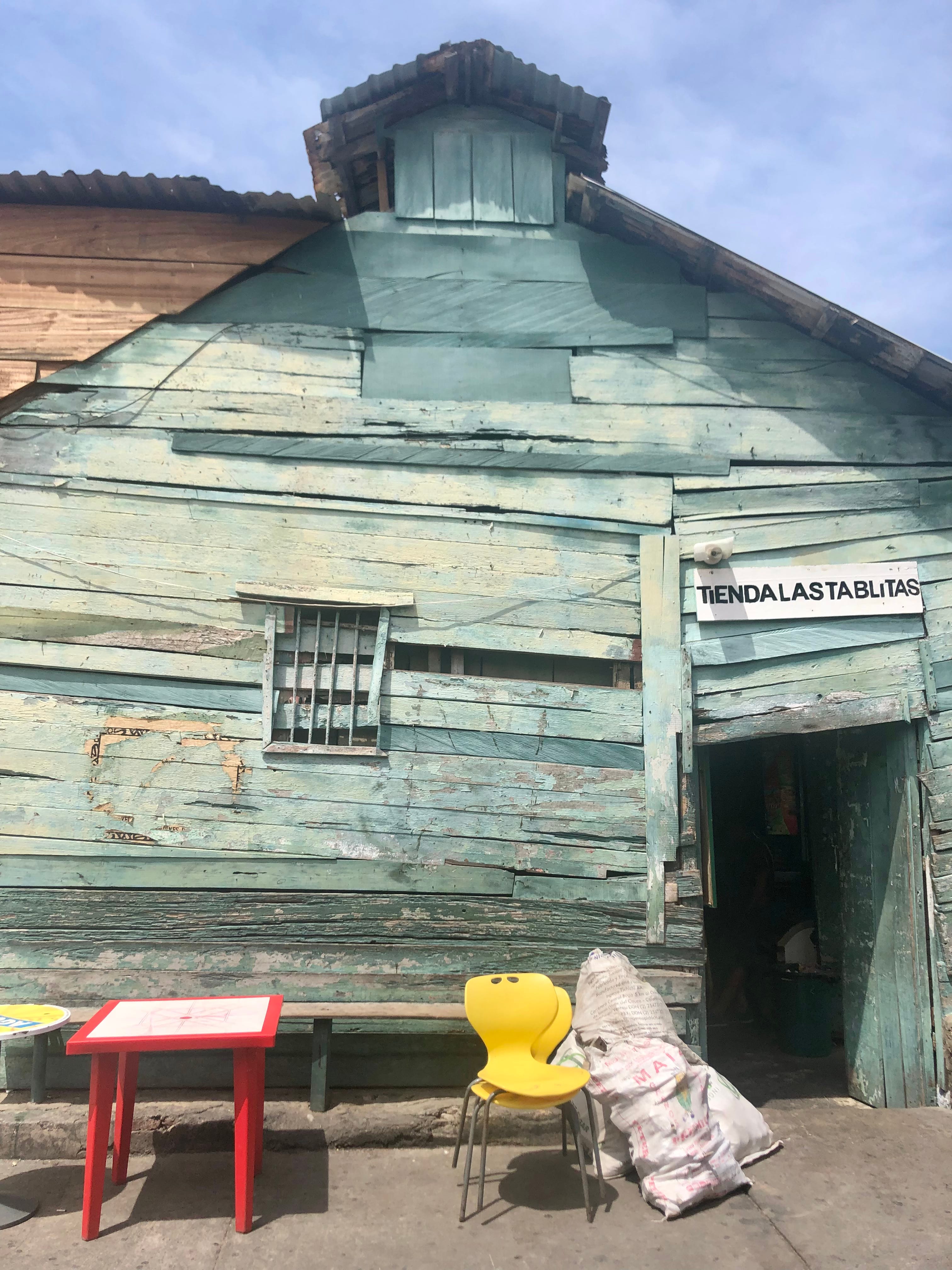
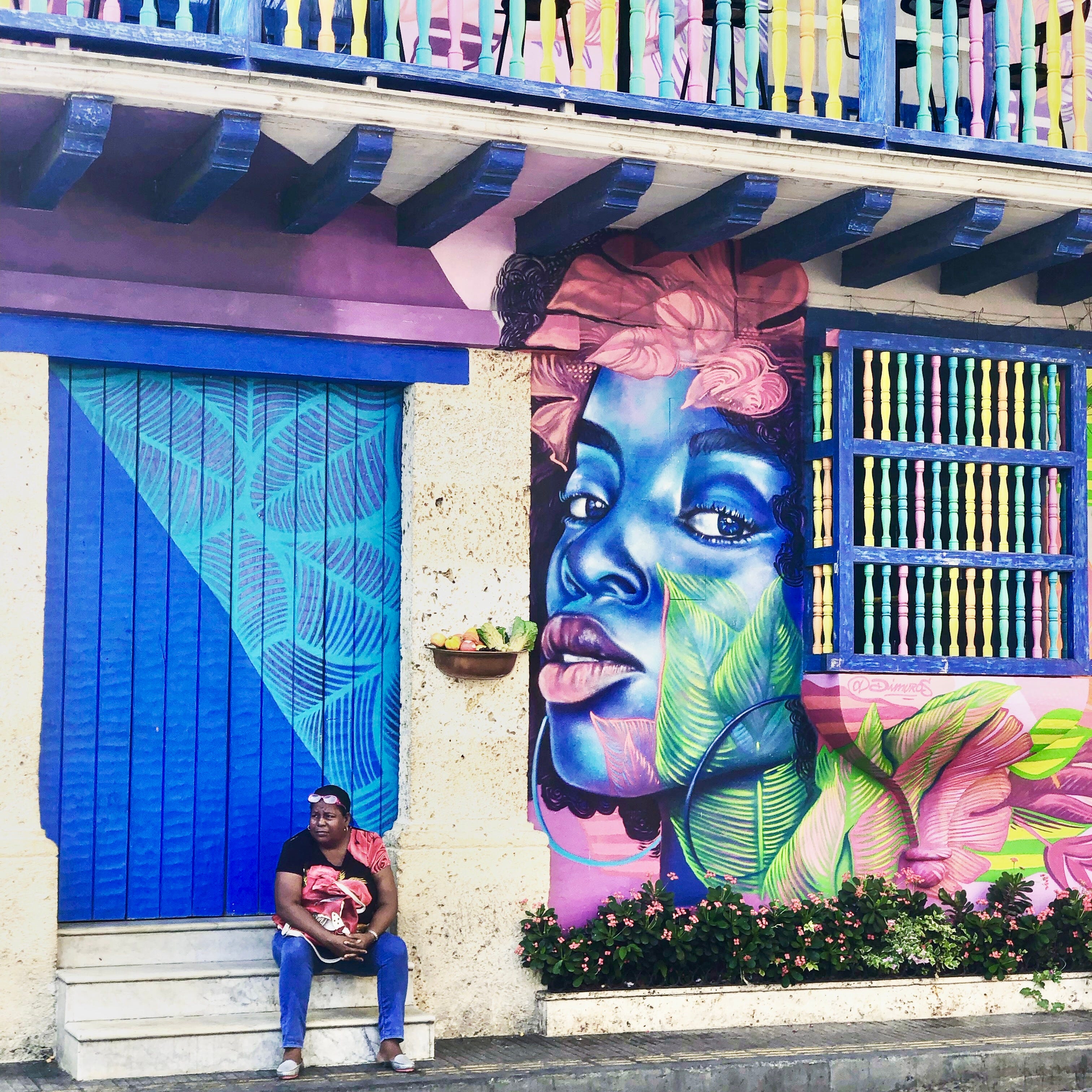
Some would have called him a heart-breaker, others a womanizer; depends which behaviors they’d been conditioned to respect. He had a black belt in some martial art. His eyes were stormy. In Buenos Aires, I photographed him yelling at me and smoking a hand-rolled cigarette out a window. We communicated in English, but whenever he got angry, he yanked me into Spanish. He once called me a “colonizer” because I kept reverting to English. That happened in Cartagena, Colombia, a colonial city, the last place we ever traveled together. I was writing a story for an in-flight magazine that would fold during Covid. In two and a half years, that man and I had traveled together to Colombia and Argentina; to Puerto Vallarta and San Miguel de Allende and Mexico City, where we’d met. I didn’t point out the irony—that in Colombia, Spanish is the colonizer language.
The relationship imploded, of course; you can’t turn an autonomous human into Prozac. He once got so drunk, he peed on my leg. I’m not drawing a moral distinction between us. Had I thought of it, I would have peed on him first.
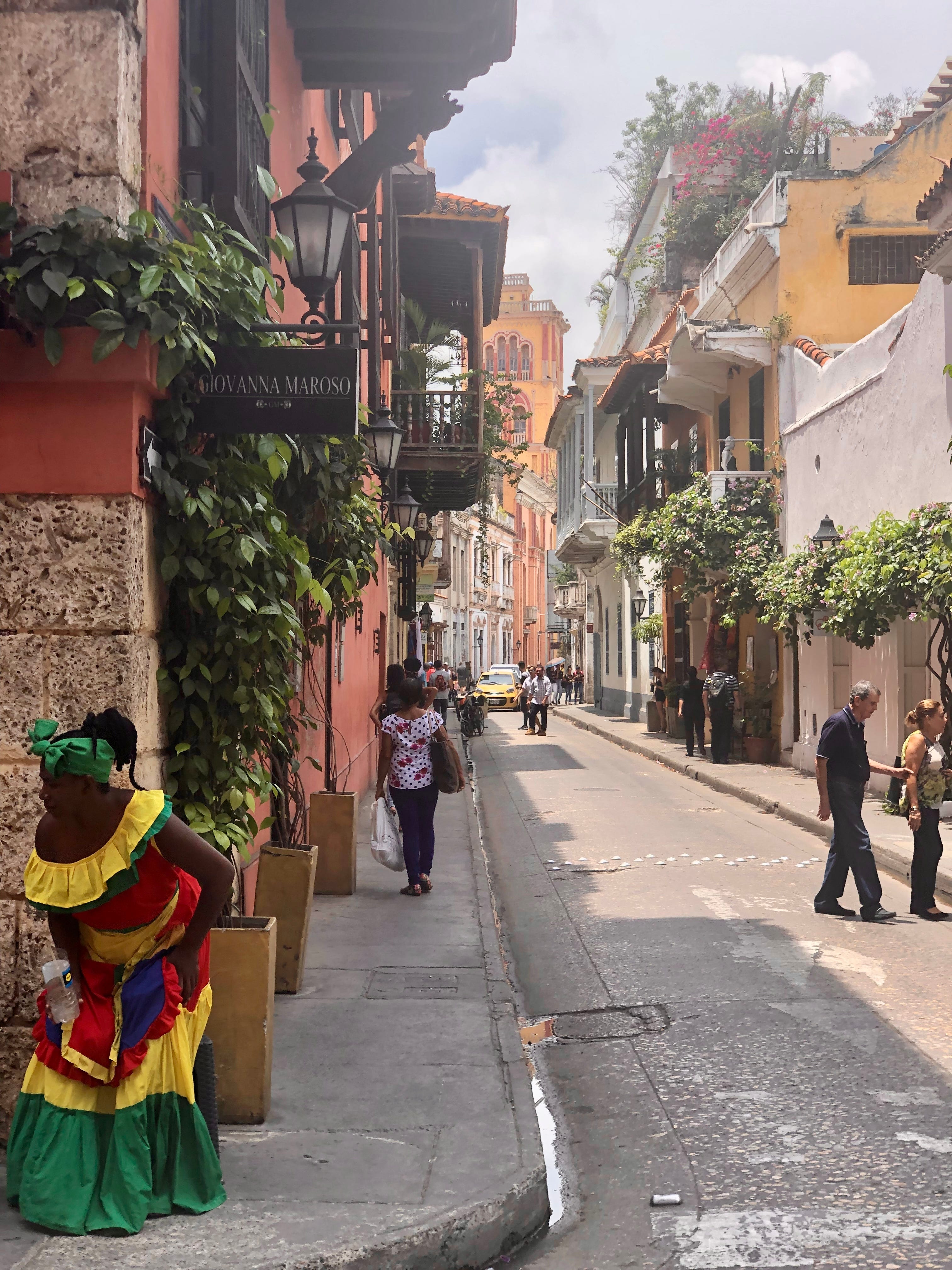
He was one of many attempts I’ve made to stave off depression. Travel can be an antidepressant, though like people, it can also be a downer. After a long flight, someone told my friend Laurie that her soul hadn’t yet landed where her body had. We’ve laughed about that many times, but I still like the image, the implication that we can outrun ourselves. In the last year or two, I’ve Prozac-ified crossword puzzles—not just solving them, but constructing them. From 2015 to 2020, I learned Spanish with intense, almost sexual, passion. In my late 20s and early 30s, I never missed a day of hot yoga. My latest antidepressant is wine. I keep reading about it, listening to podcasts about it, huffing it, my nose deep in the glass. I’m less interested in drinking it than I am in drinking it in. I want it to do what I thought that man would do—permanently bolster and engage me.
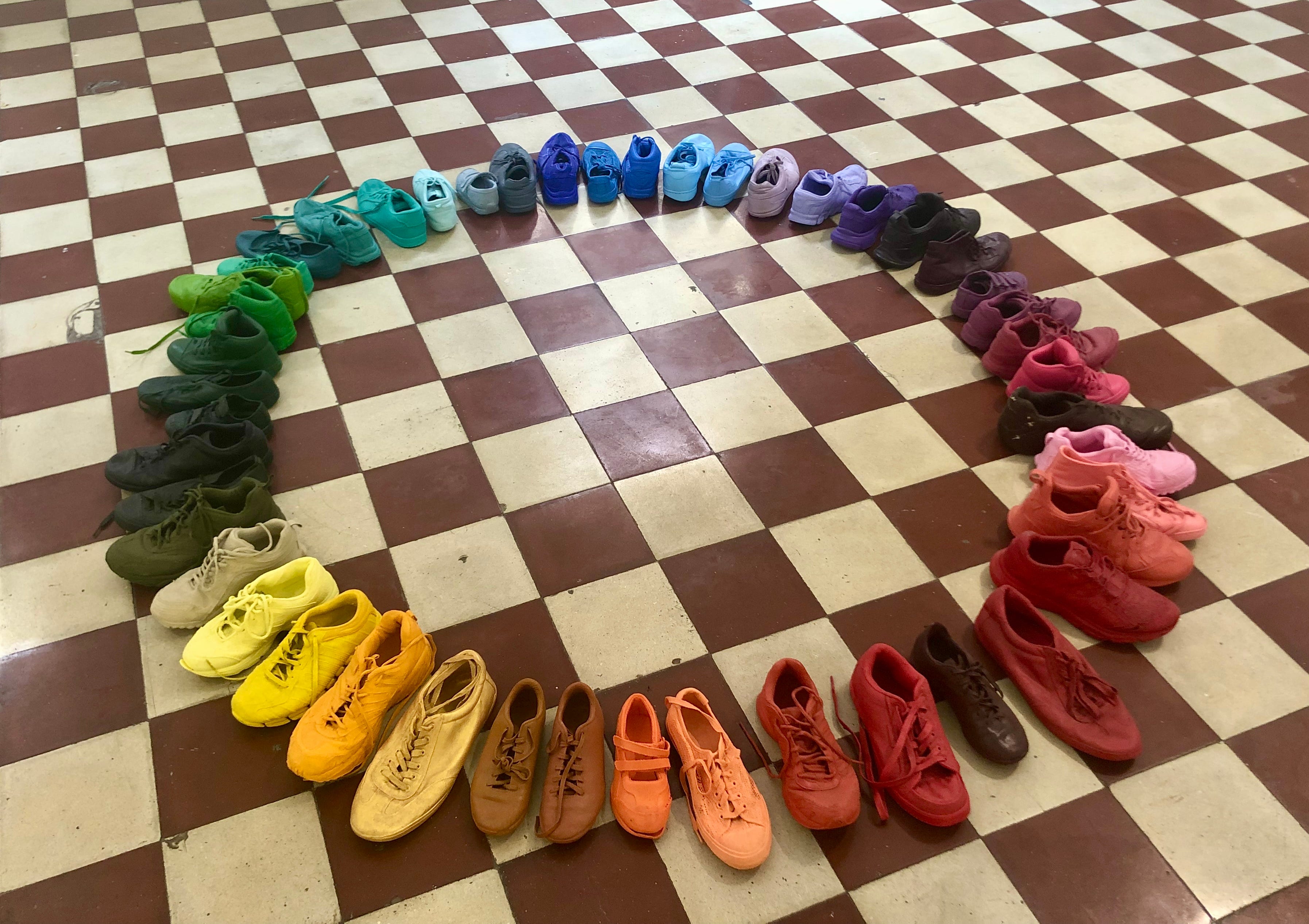
When I was 22, I met a man at a concert in Montana who changed my understanding of men. The band was Karl Denson’s Tiny Universe. As I danced in the crowd, someone stepped on the base of my flip-flop and the thong popped out.
I stood on one foot like a flamingo. I kept stumbling as strangers’ bodies knocked against mine. The floor was sticky from beer sloshed out of plastic cups. Panic rose inside me. I tried explaining my predicament to my friend, who was very drunk. She was the kind of person who could enjoy a concert without feeling lonely or succumbing to despair. She put her arm around me and sang in my face.
A man appeared before me as if teleported, lifted the broken flip-flop from my hand, popped the thong through the base with his teeth, and handed it back to me.
I slipped it on. It was perfect. When I stood again, he pressed his palms together at his chest, bowed his head slightly, and vanished.
For the rest of the night, my eyes combed the crowd. I wondered if I’d imagined him.
Depression manifests in the pull to remember the most painful things to remember. There are endless things I hate to remember, most of which center me, talking. Sometimes in conversation, I think, Don’t say anything you won’t want to remember in the middle of the night. I’ve found that the best role I can play is Listener. There’s no shame in listening, either while I do it or when I remember it. Listening alleviates depression in other ways, too, unless the talking is the kind that pins me to the wall.
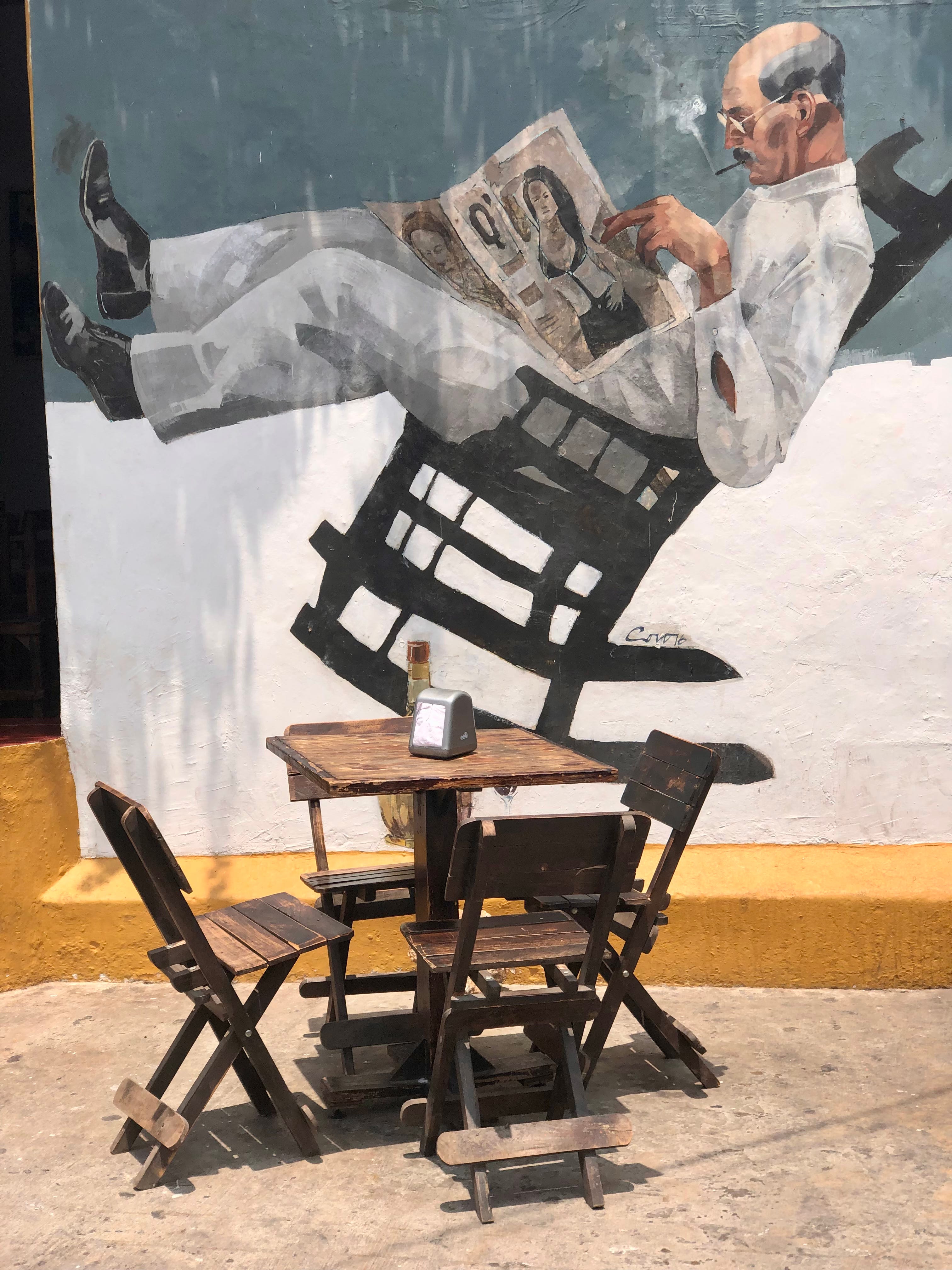
In a bar some months after the concert, I spotted the guy who had fixed my flip-flop.
I told him, with great enthusiasm, You fixed my flip-flop at the Karl Denson show!
He didn’t seem to remember or care, but he talked to me in a corner so feverishly, I can still feel his spit on my face. I think he was on coke or something. He wouldn’t shut up. I could have been anyone or no one. He was telling me about his father, a hippie, who had purchased an island called Love in the ‘70s, where he and his friends had raised their children. He kept saying, “That’s where I’ll be when the lights go out.” He was certain of some near-future event that involved the cessation of electricity.
The longer he rambled, the more glaringly obvious it became that there was no Love—at least, not the island I’d imagined. I liked that island, or that Platonic Ideal of an island, complete with a lone palm tree and a striped umbrella, where a man could rescue me from a broken flip-flop, from the broken heart I’d been born with.
Too young to absorb the lesson, once I extricated myself from that bar and that man, I forgot. I only remembered his lips on my shoe, his deferential bow, the relief. Eventually, I’d stop scanning the crowd for him, but it would take years.
Love,
Diana
P.S. Do you tend toward depression or anxiety?
P.P.S. If you can swing it, please consider upgrading to a paid subscription. I love writing this Substack! But I depend on reader support. Paid subscribers get perks, including free writing classes. :)
P.P.P.S. Get your new writing prompt here.
Your photos tell a story as beautifully as you tell a story.
Oh my dear, you have done it once again. You have left me speechless, a miracle that many people have prayed for over the years, but only you have accomplished. You speak eloquently, openly, and honestly about feelings, emotions, and relationships, things which completely baffle me as a writer. I grew up in the Midwest. Back then, men had two emotions: OK, or not so hot. I tip my hat to you, which is not so easy, because I am not wearing one at the moment. Carry on!